Abuja Urban Smart Energy Pipeline
Period: 2023–early 2025 (AMAC) · 2024–early 2025 (FCT)
Client / context: Covenant of Mayors in Sub-Saharan Africa (CoM SSA) / GIZ — Abuja Municipal Area Council & Federal Capital Territory Administration
Location: Abuja, Nigeria
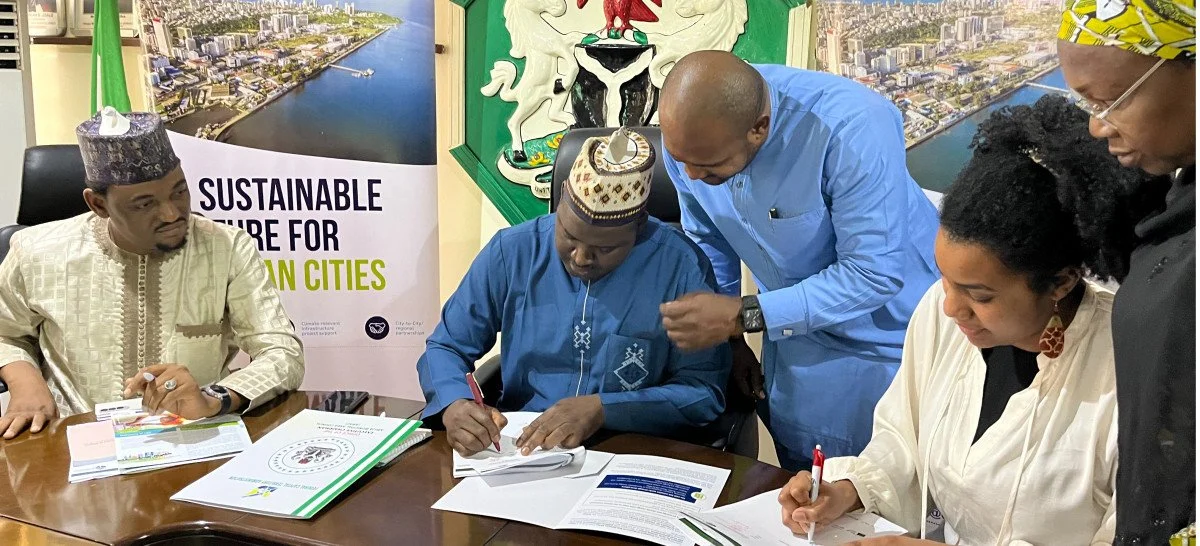
AMAC Executive Chairman, Honourable Christopher Zakka Maikalangu, signing the formal Letter of Commitment © CoM SSA/GIZ
CONTEXT
One of the persistent challenges in African urban energy transition is the gap between political will and bankable projects. Local governments want to solarise public infrastructure, but private developers are reluctant to engage because municipalities have a reputation for late or non-payment. The result: promising pipelines stall before they start.
Working with both AMAC and the Federal Capital Territory Administration (FCTA), the goal was to develop a credible, investment-ready pipeline of solar energy projects for public buildings, and to do so in a way that actually de-risked the investment for private developers rather than just producing a plan that sat on a shelf.
MY ROLE
After securing a formal Letter of Commitment from AMAC enabling the screening of their portfolio of over 200 public-owned buildings, I led and supervised the full screening and prioritisation process, working with my team and technical consultants to assess each building against a clear set of criteria: buildings where the local government was already paying energy bills (establishing payment track record), where consumption levels justified a solar installation, and where payback periods were attractive for the local market, factoring in Nigerian inflation and exchange rate volatility.
From that initial portfolio, we developed a pipeline of approximately 15 city-owned sites (primarily public administrative buildings, healthcare centres and public markets) structured around an Energy-as-a-Service model. This meant the private developer would install, operate and maintain the system; the city would pay for energy-as-a-service, eliminating the perception risk of municipal non-payment. For FCT, I coordinated separately with the FCTA Secretary for Health Services & Environment to prioritise a set of large general hospitals and medical storage facilities.
I coordinated technical and legal consultants for site assessments, PV sizing, payback modelling and the legal review needed to establish a potential service company or SPV as the contracting interface. I then facilitated a series of structured engagement sessions with private solar developers active in Nigeria and Abuja, presenting the pipeline and de-risking framework. Throughout, I led donor and financier outreach, securing expressions of interest and laying the groundwork for the next phase of investment mobilisation.
WHAT CAME OUT OF IT
Investment-ready pipeline of ~15 priority sites across AMAC and FCT, with full technical assessments, PV sizing and financial modelling completed
Energy-as-a-Service structuring model developed and presented to private developers
Formal Letter of Commitment from AMAC, a significant institutional step for local government engagement with private energy developers
Expressions of interest secured from private solar developers and financiers active in Nigeria
Replicable methodology and project preparation framework ready for scale-up to other cities in the CoM SSA network
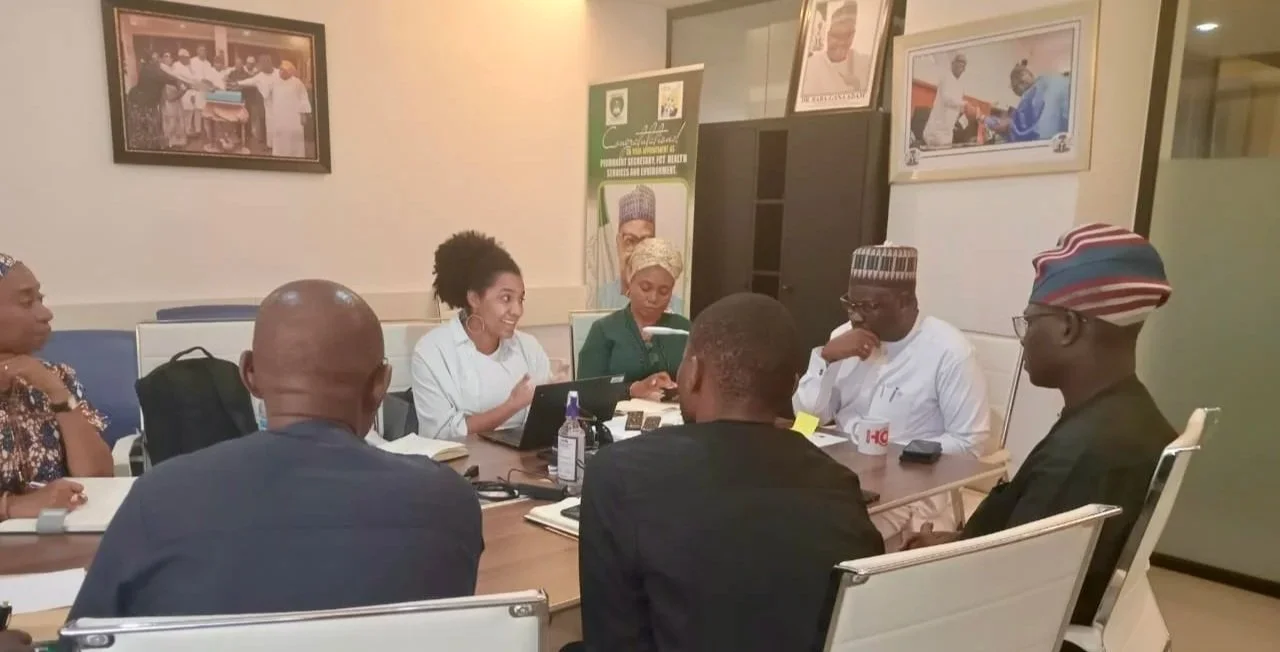
Meeting with the Permanent Secretary for Health and Environment Service and his team © CoM SSA/GIZ
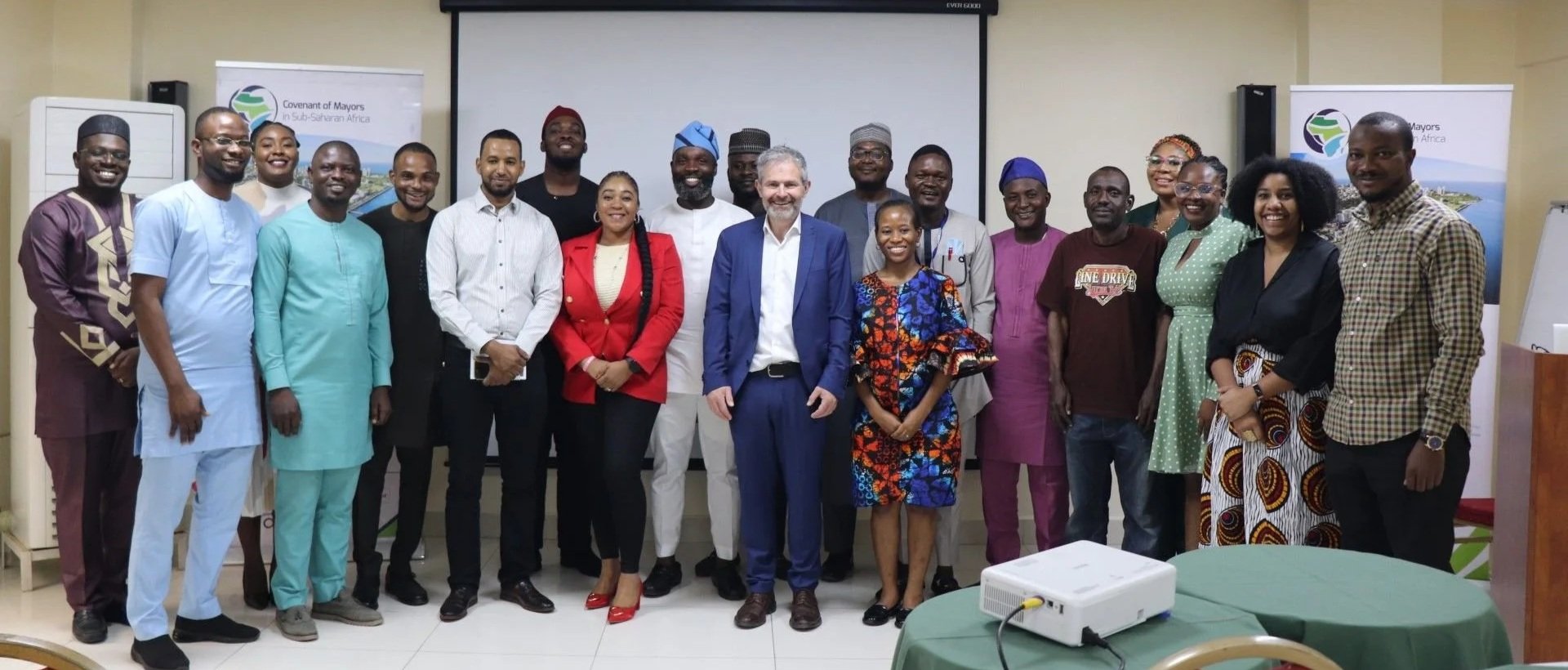
CoM SSA Private Sector Engagement Workshop © CoM SSA/GIZ
