Abuja Urban Lab: Waste Governance
Period: 2023-2024
Client / context: Covenant of Mayors in Sub-Saharan Africa (CoM SSA) / GIZ — Abuja Municipal Area Council (AMAC) & Federal Capital Territory
Location: Abuja, Nigeria
CONTEXT
The Abuja Municipal Area Council approached the Covenant of Mayors in Sub-Saharan Africa (CoM SSA) team with a concrete ask: they had a climate and energy action plan (SEACAP) in place and wanted to develop a waste recovery facility and attract investors. What they didn't yet have was the governance clarity to make it possible. Waste management in Abuja was caught in a long-running institutional dispute between AMAC and the Federal Capital Territory, including legal action over respective mandates, fee collection rights and private contractor relationships. At the same time, years of technical research by local universities had never reached public officials, and the informal waste pickers who formed the actual backbone of waste sorting in the city were criminalised rather than recognised.
It became clear early on that no technical or financial solution would hold without first resolving the governance dimension. The Urban Lab became a structured, multi-stakeholder process designed to do exactly that.
MY ROLE
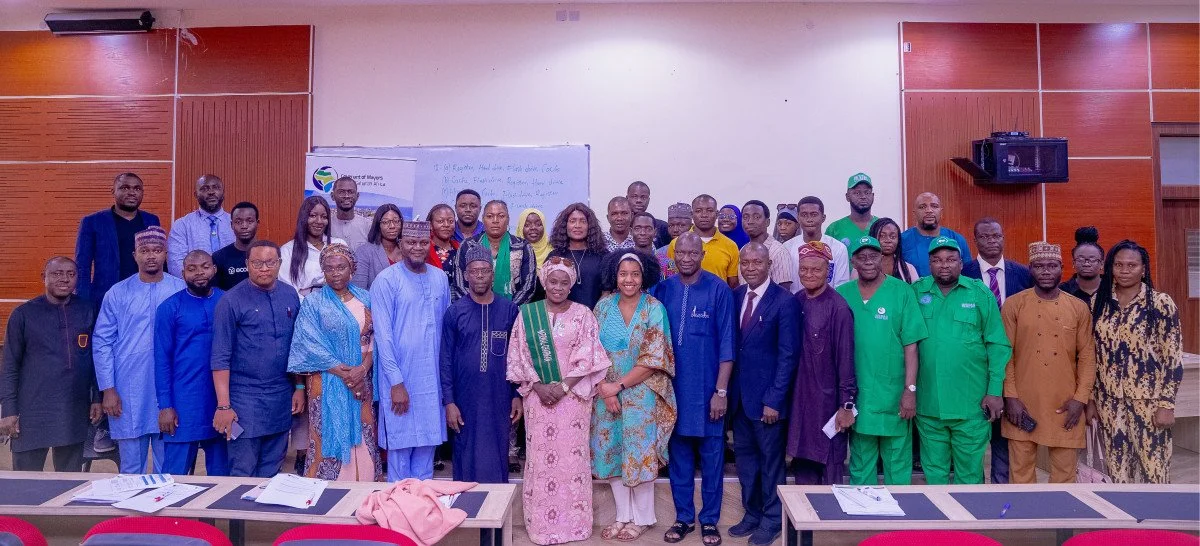
As Country Manager for CoM SSA in Nigeria and Project Manager for the Urban Lab, I held both the strategic and operational lead throughout the process. I supervised a rapid waste governance assessment by the African Centre for Cities (University of Cape Town), and used its findings to frame and convene the first-ever joint workshop bringing together city officials, federal territory representatives, local academics, development partners and civil society — many of whom had never been in the same room.
I oversaw the procurement and contracting of Nile University of Nigeria as the local process anchor, a deliberate choice to ensure the initiative was perceived as locally led rather than donor-driven. I reviewed methodologies, facilitated key sessions and guided the facilitation team. I coordinated a city-exchange visit between Abuja and Lagos (Lagos Waste Management Authority and Lagos State departments), bringing together not just officials but waste pickers, students and women's associations to draw on Lagos's experience in developing viable waste infrastructure.
I also led the effort to formally recognise the role of informal waste pickers, including awareness-raising with law enforcement and public administrations, and supported the Waste Pickers Association of Nigeria (WAPAN, Abuja chapter) in participating meaningfully in the process. In parallel, I mobilised a team of technical consultants to develop the first pre-feasibility study for an integrated waste management system for Abuja, including technical and financial modelling.
WHAT CAME OUT OF IT
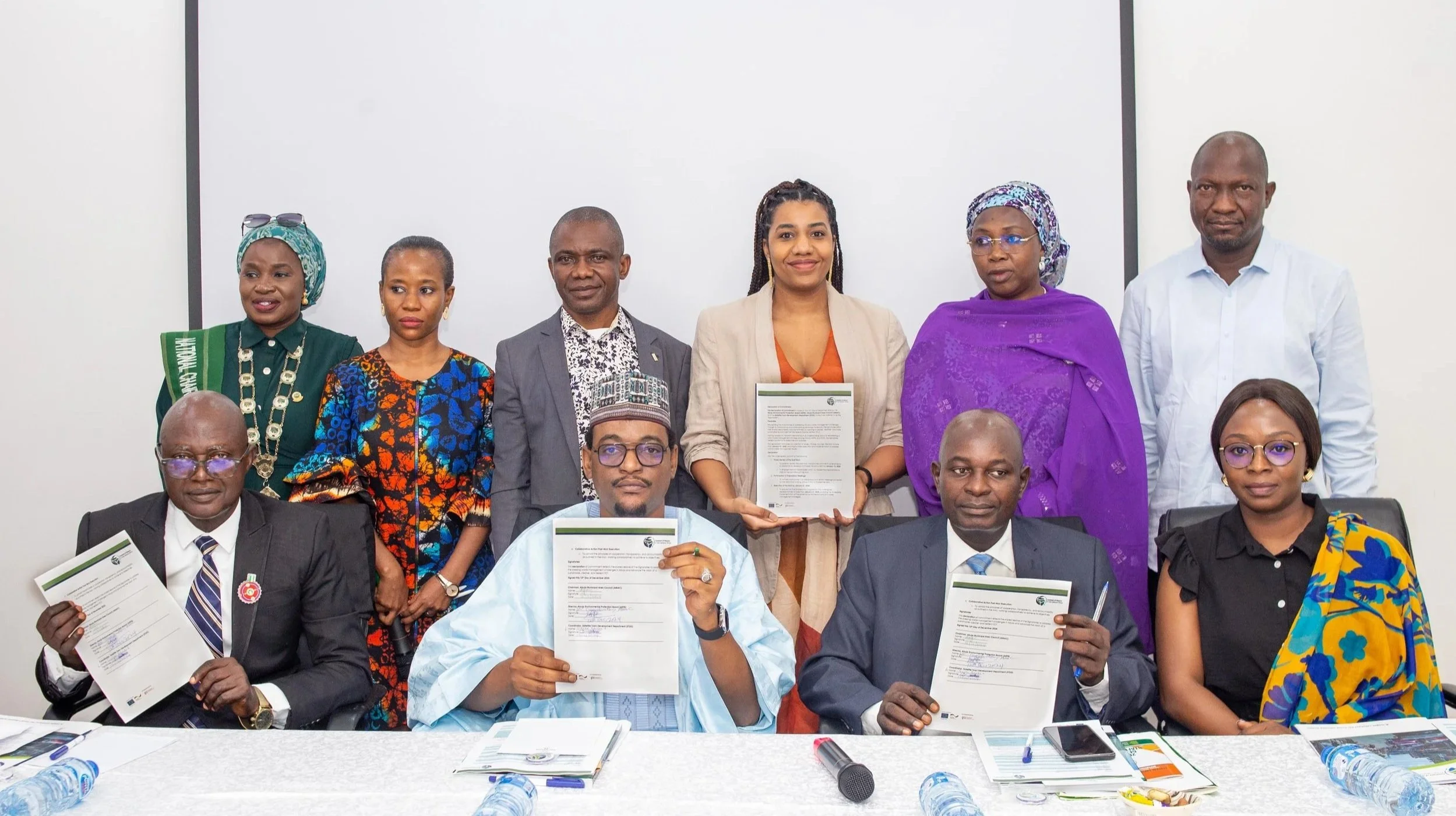
Establishment of the Abuja Waste Governance Committee — the first formal structure bringing together AMAC, the FCT and the Satellite Towns Development Agency
Drafting and signing of a Memorandum of Understanding on waste governance among the three authorities
A completed pre-feasibility study for an integrated waste management facility, including technical design and financial estimates
Formal recognition of informal waste pickers' role in the city's waste ecosystem, with updated protocols for city administration and law enforcement
Foundation laid for engagement with development finance institutions (JICA, UNIDO) that had previously paused due to governance uncertainty