Abuja’s SEACAP: Climate and Energy Action Planning
Period: Early 2021 - July 2022
Client / context: Abuja Municipal Area Council (AMAC) / Covenant of Mayors in Sub-Saharan Africa (CoM SSA), GIZ
Location: Abuja, Nigeria
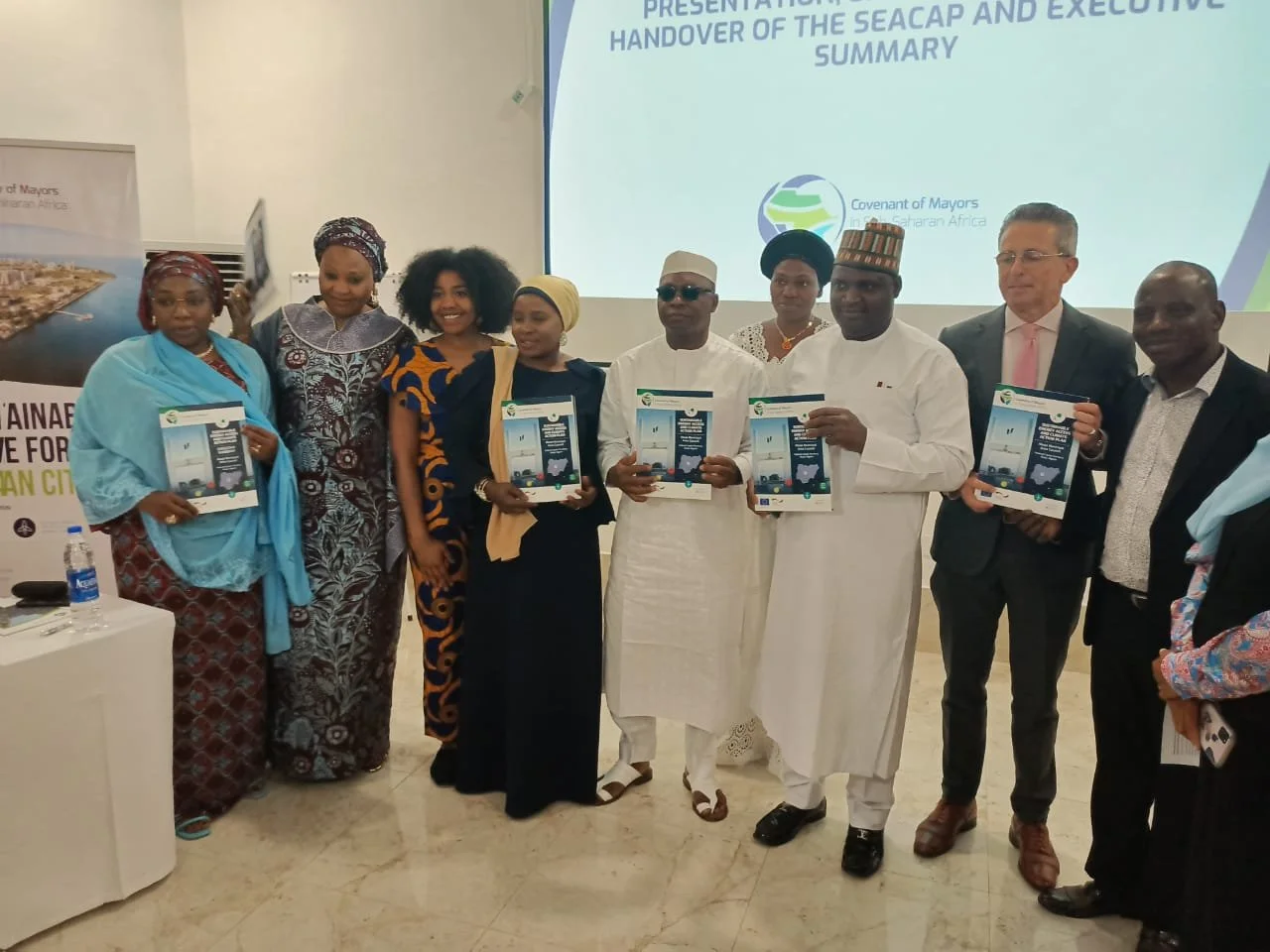
Abuja Municipal Area Council’s official SEACAP launch, CoM SSA/GIZ
CONTEXT
African cities are increasingly expected to have credible, data-driven climate and energy action plans but the gap between political commitment and technical capacity to produce one is real. AMAC came into the CoM SSA programme with the political will to act on climate and energy; what they needed was a rigorous, inclusive and locally owned planning process that would produce a plan robust enough to attract international partners and financing, and resilient enough to survive a change in political leadership. The latter was not hypothetical: the city's Executive Chairman changed mid-process, introducing the very real risk that a year of work would end up on a shelf.
MY ROLE
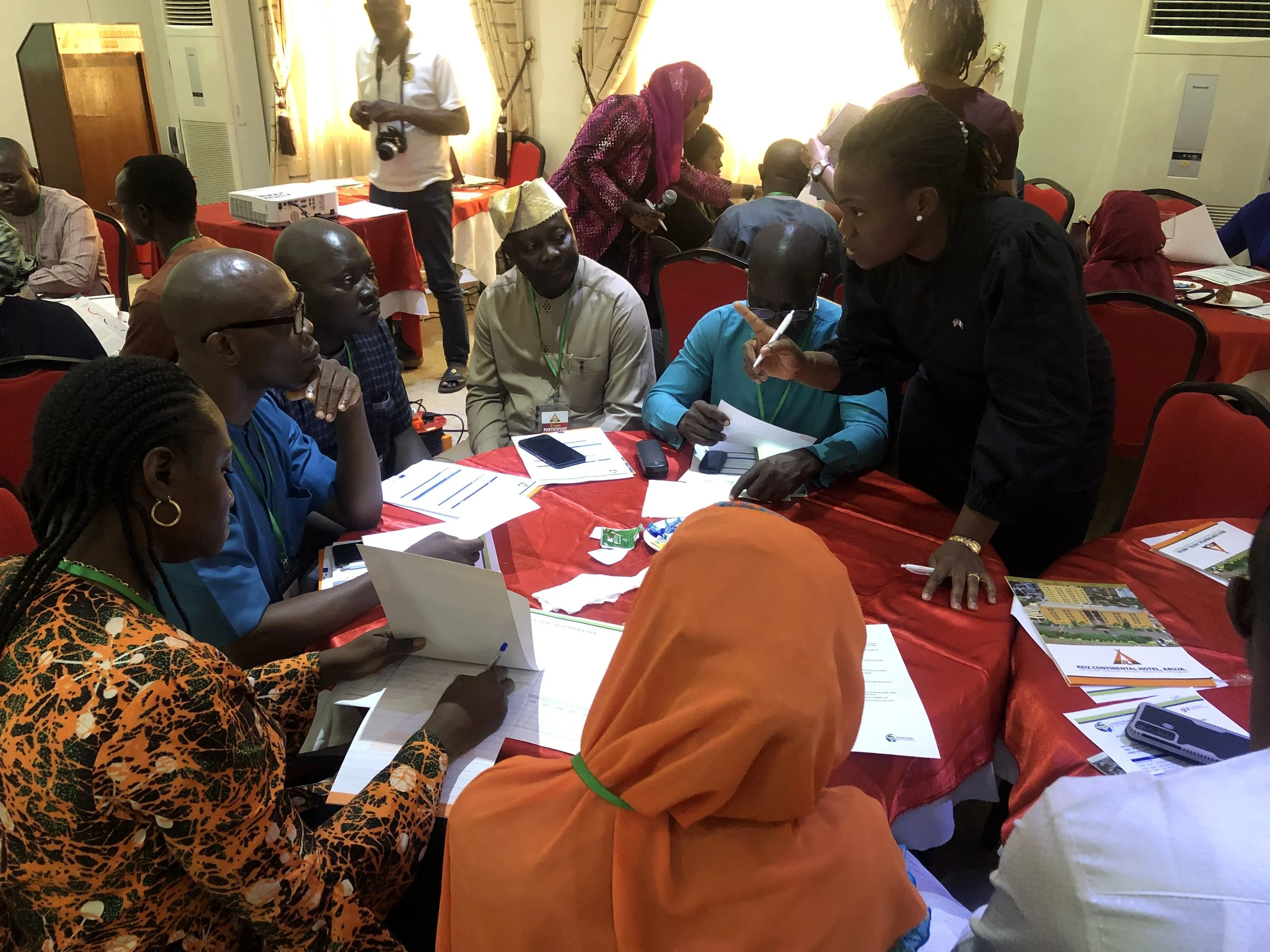
As Country Manager for CoM SSA in Nigeria, I led the full coordination of the Sustainable Energy Access and Climate Action Plan (SEACAP) development process: overseeing the technical partnership with ICLEI Africa and liaising continuously with AMAC's administration across all its departments. From the start, I was deliberate about breaking silos: the process involved not just the environment and infrastructure teams but legal, finance, health, education and planning departments, as well as civil society and indigenous community voices from the Bassa, Gade, Gbagyi and Gwandara groups.
The SEACAP methodology followed the Joint Research Centre of the European Commission's strict standards, covering a baseline emissions inventory, a risk and vulnerability assessment, and an access to energy assessment — built on a literature review, a survey of 637 households, participatory mapping exercises and interactive workshops. I supervised the data collection design, the formulation of targets aligned to Nigeria's NDCs and AMAC's own development plan, and the prioritisation and costing of actions — distinguishing between what the city could fund internally and what would require external financing. I also commissioned and oversaw the development of visual infographics to make the results accessible, and organised an in-person climate finance training to help the city team understand how to present and pitch their plan to funders.
When the new mayor came into office, we managed the political transition carefully, ensuring the new administration felt genuine ownership of the process rather than inheriting someone else's document. The result was exceptional: both the outgoing and incoming Executive Chairmen attended the public launch, endorsing the plan together and sending an unambiguous signal of institutional continuity.
WHAT CAME OUT OF IT
AMAC became the first local government in Nigeria to publish a SEACAP
Targets set to reduce projected emissions by 25%, reach 99.6% household electricity access and 85% clean cooking access by 2030
Concrete action pipeline costed and prioritised: solar mini-grids, solar PV in 50 healthcare centres, 5,000 clean cookstoves, 100,000 trees per year, public transport upgrades
Strong political buy-in across two administrations, a rare outcome for multi-year planning processes
Launch covered by 8 Nigerian media outlets including ABN Television, TVC News and the News Agency of Nigeria